
Pineal Gland Decalcification: How to Remove Calcification and Restore Your Third Eye

The pineal gland is a small, rice-sized gland in the brain. It helps control sleep and our body's rhythm. Scientists are studying why it often gets clogged with calcium.
Many people want to clear out the pineal gland to improve their focus and sleep. They believe it helps with spiritual growth and inner sight. This is based on ancient traditions.
This article will show you how to clean out your pineal gland. We'll talk about diet, lifestyle changes, and supplements. We'll also look at Pineal XT, a special supplement for this purpose.
Key Takeaways
- Pineal gland calcification is common and may affect melatonin and sleep.
- Research links aging and metabolic factors to calcium deposits in the gland.
- Third eye decalcification combines science-based and traditional practices.
- Practical approaches include diet, environmental changes, and supplements.
- Pineal XT decalcification is presented as a targeted support option.
What is Pineal Gland Calcification and Why It Matters
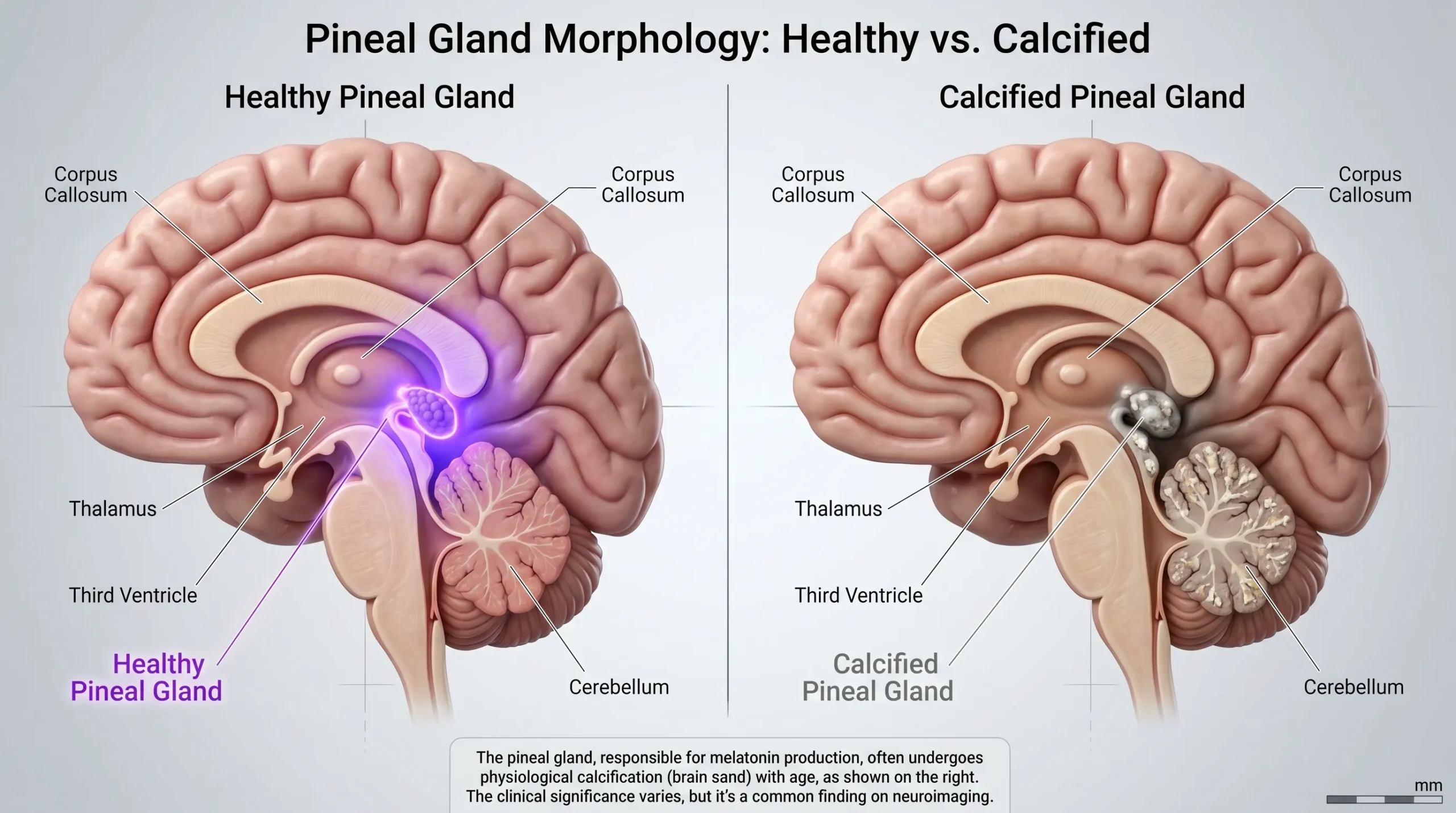
Calcification gradually transforms the pineal gland from a sensitive biological antenna into a hardened, dormant structure
The pineal gland is located in the brain, near the center, behind the pituitary gland. It senses light and produces melatonin to help us sleep. Understanding the anatomy of the pineal gland is key to knowing how it affects our sleep and brain health.
Anatomy and function
The gland is small, about the size of a pea. It has direct blood connections to nearby areas. Melatonin, made from serotonin, starts producing when it gets dark. This hormone helps us sleep well and protects our brain.
What calcification means biologically
Calcification is when calcium phosphate crystals build up in tissues. In the pineal gland, this happens with age and metabolic changes. It's like calcium building up in valves or joints, affecting how they work.
Potential impacts on health and consciousness
More calcification can lower melatonin levels and disrupt sleep. Some studies suggest it might lead to insomnia and tiredness in older adults. But, the exact link is still unclear.
Traditions also link the pineal gland to the "third eye." They believe cleaning the third eye can improve perception. While there's limited scientific proof of DMT production in the gland, many try to decalcify it through diet and lifestyle changes.
Knowing about pineal gland calcification helps us make better choices. By focusing on sleep, avoiding toxins, and eating right, we can support our pineal gland and overall health.
🎵 Accelerate Your Pineal Activation With Sound
Nutritional support decalcifies the pineal gland — but pairing it with targeted theta brainwave audio takes the activation to a completely different level. Discover the 7-minute protocol thousands are using to reach deep theta states effortlessly:
Read: The Genius Wave Review — Theta Brainwave Activation in 7 Minutes →
Pineal gland decalcification: Common Causes and Contributing Factors
Understanding what causes pineal deposits is key to decalcifying the pineal gland. This section explains common factors that lead to mineral buildup. It sets the stage for practical lifestyle changes later on.

From fluoride in tap water to blue light from screens — modern life systematically calcifies the pineal gland without most people ever knowing
Role of aging and metabolic activity
Aging often leads to more visible calcification, but it's not the only factor. Younger people can also have deposits. Age is a risk, but not the only cause. The pineal gland's metabolism changes with age, affecting mineral buildup.
Active glands may change their chemistry, leading to calcium deposits. Lower melatonin at night can disrupt this balance. This is why metabolic changes are linked to calcification.
Fluoride and pineal gland
Fluoride is common in water and toothpaste. Some studies suggest it may contribute to pineal gland calcification. However, the evidence is not conclusive, leaving doubt in medical circles.
Groups like the American Dental Association support fluoride for teeth. Those concerned about fluoride should balance dental care with lower exposure. This is important when considering the impact of fluoride on the pineal gland.
Processed foods, additives, and toxins
Experts agree that processed foods increase exposure to additives and toxins. Pesticides, chemicals, and too much calcium can contribute to deposits.
Eating whole foods and organic produce can help. Reducing packaged foods is a common step in decalcifying the pineal gland naturally.
Light exposure, artificial light and EMFs
Blue screens and nighttime light can suppress melatonin. This can change the pineal gland's environment and lead to calcification. Simple changes in bedroom lighting can help.
Some believe electromagnetic fields may also play a role. The evidence is mixed. However, experts suggest dimming lights, limiting screen time, and managing electronics in bedrooms. This can help support melatonin and reduce calcification risks.
Is Your Pineal Gland Being Silently Blocked?
The Causes Are Everywhere — The Solution Is Here
Fluoride, processed foods, EMFs — your pineal gland is under constant attack. Discover the targeted nutritional protocol designed to fight back and restore your third eye naturally.
How Pineal Calcification Affects Melatonin and Brain Chemistry
The pineal gland is at the brain's center. It helps with sleep, seasonal changes, and brain chemistry. Calcification can harm its function, making it harder to sleep well.
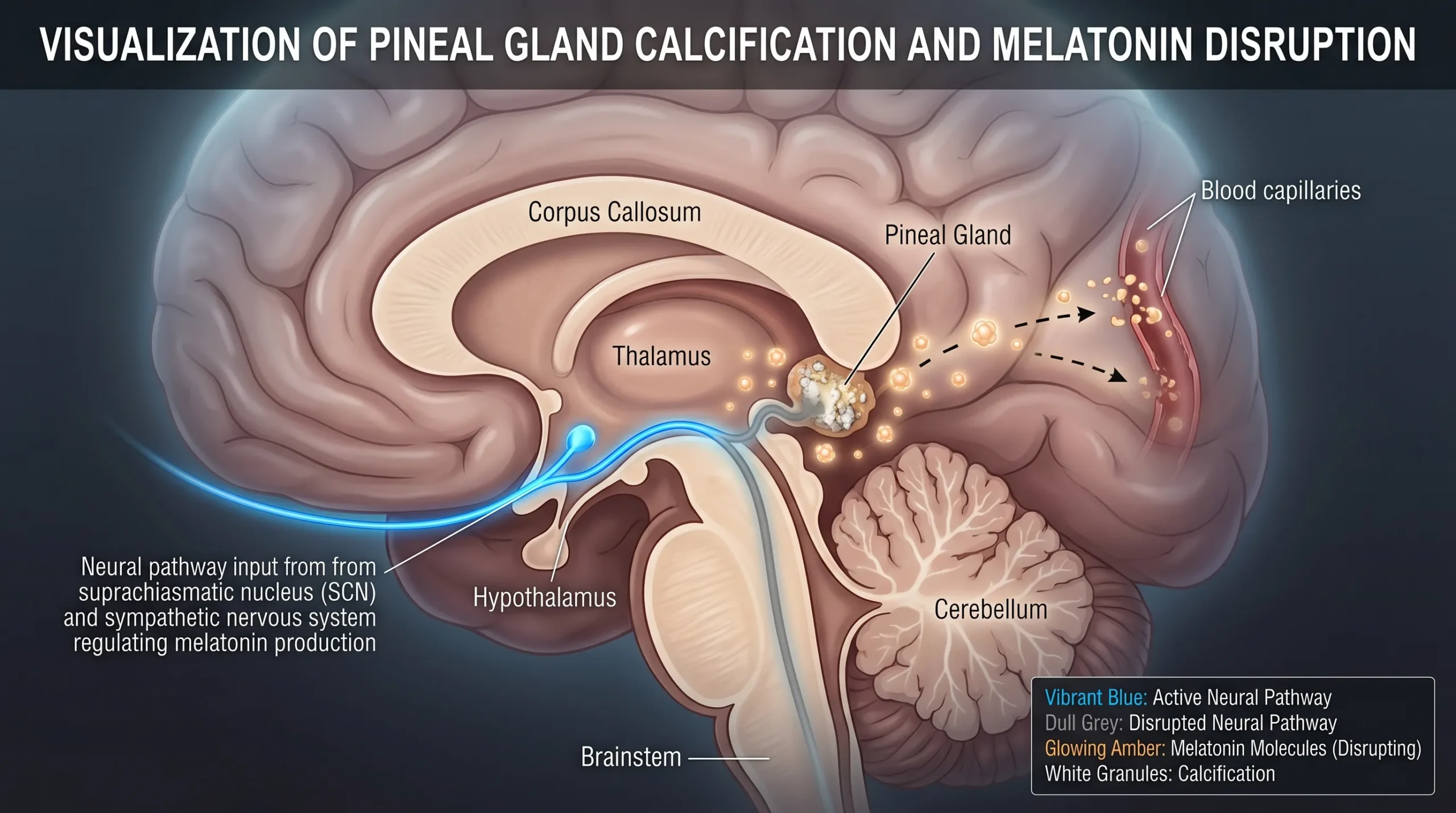
When the pineal gland calcifies, melatonin production drops — disrupting sleep, immunity, and the brain's deepest restorative functions
The pineal gland makes melatonin when it's dark. But calcification can lower this production. This might cause poor sleep and trouble adjusting to day and night.
Blue light at night also lowers melatonin levels. People trying to decalcify their pineal gland often avoid blue light. They also change their behavior to help their sleep.
DMT and the “third eye” hypothesis
Some believe the pineal gland releases DMT, leading to visions and altered states. This idea connects the gland to deep spiritual experiences.
While there's little scientific proof of DMT in humans, many still try to decalcify their pineal gland. They hope it will improve their clarity and meditation.
Neuroprotective roles of melatonin
Melatonin protects the brain from damage. Less melatonin might make the brain more vulnerable to stress.
Changes in the pineal gland have been linked to diseases like Alzheimer's. This has sparked research into decalcifying the pineal gland. It's hoped it will keep the brain healthy and strong.
🧠 Your Subconscious Is Already Speaking
As your third eye awakens, the subconscious mind becomes more vocal — through dreams, gut feelings, synchronicities and verbal slips. Learn to recognize and decode these signals before they become impossible to ignore:
Read: What Is a Freudian Slip? Unconscious Mind and Hidden Brain Power →
Natural Pineal Gland Cleanse Strategies and Dietary Changes

A clean, whole-food diet is the foundation of any effective pineal gland decalcification protocol
Starting a natural pineal gland cleanse is easy. It's about making simple choices every day. These choices can help lower toxins, support your body's natural rhythm, and clear your third eye.
Whole-food, anti-inflammatory diet
Eat fresh, organic foods like fruits, vegetables, whole grains, and nuts. Foods like leafy greens, beets, berries, and walnuts are full of antioxidants. They help fight inflammation and stress in your cells.
Stay away from processed snacks, refined sugars, and trans fats. They can upset your metabolism. Cutting them out is a big step towards a healthier brain and a clearer third eye.
Hydration and avoiding fluoridated sources
Drinking clean water is key for detox and keeping your cells clean. Some people use filters to remove fluoride, choose bottled spring water, or use reverse osmosis systems. This helps avoid fluoride's effects on the pineal gland.
The American Dental Association says fluoridated water is good for teeth. But if you're avoiding fluoride, make sure to brush and floss regularly. This helps keep your teeth healthy while you work on clearing your third eye.
Foods to include and avoid
Eat foods rich in chlorophyll like greens, cilantro, and sea vegetables. Also, choose foods high in minerals. Turmeric, apple cider vinegar, lemon water, and coconut oil can help in gentle cleanse routines.
Avoid foods with lots of additives, too much calcium, and non-organic produce with pesticides. Also, steer clear of non-stick cookware and processed oils. This lets your body focus on healing instead of fighting toxins all the time.
Here's a guide to help you make better choices during a natural pineal gland cleanse and for long-term health.
| Focus | Recommended | Limit or Avoid |
|---|---|---|
| Drinking water | Filtered (RO or fluoride-reducing), spring water, herbal teas | Tap water with added fluoride if trying to reduce exposure; sugary drinks |
| Vegetables & greens | Spinach, kale, cilantro, beets, seaweed | Canned vegetables with preservatives; fried vegetable products |
| Fats & oils | Extra virgin olive oil, coconut oil in moderation, nuts | Hydrogenated oils, deep-fried foods, excessive processed spreads |
| Proteins | Legumes, wild-caught fish, organic poultry, nuts | Processed meats, high-sodium deli items |
| Supplements & herbs | Turmeric, chlorella, magnesium-rich formulations after consult | Unregulated detox blends without ingredient transparency |
| Lifestyle supports | Regular hydration, restful sleep, reduced EMF exposure | Overuse of fluoridated dental products when avoiding fluoride; heavy screen use at night |
🌿 Diet Opens the Door — Precision Nutrients Keep It Open
A clean diet is essential — but targeted nutritional support takes your decalcification protocol to a completely different level. Discover what your pineal gland actually needs.
Key Nutrients and Supplements for Pineal Support
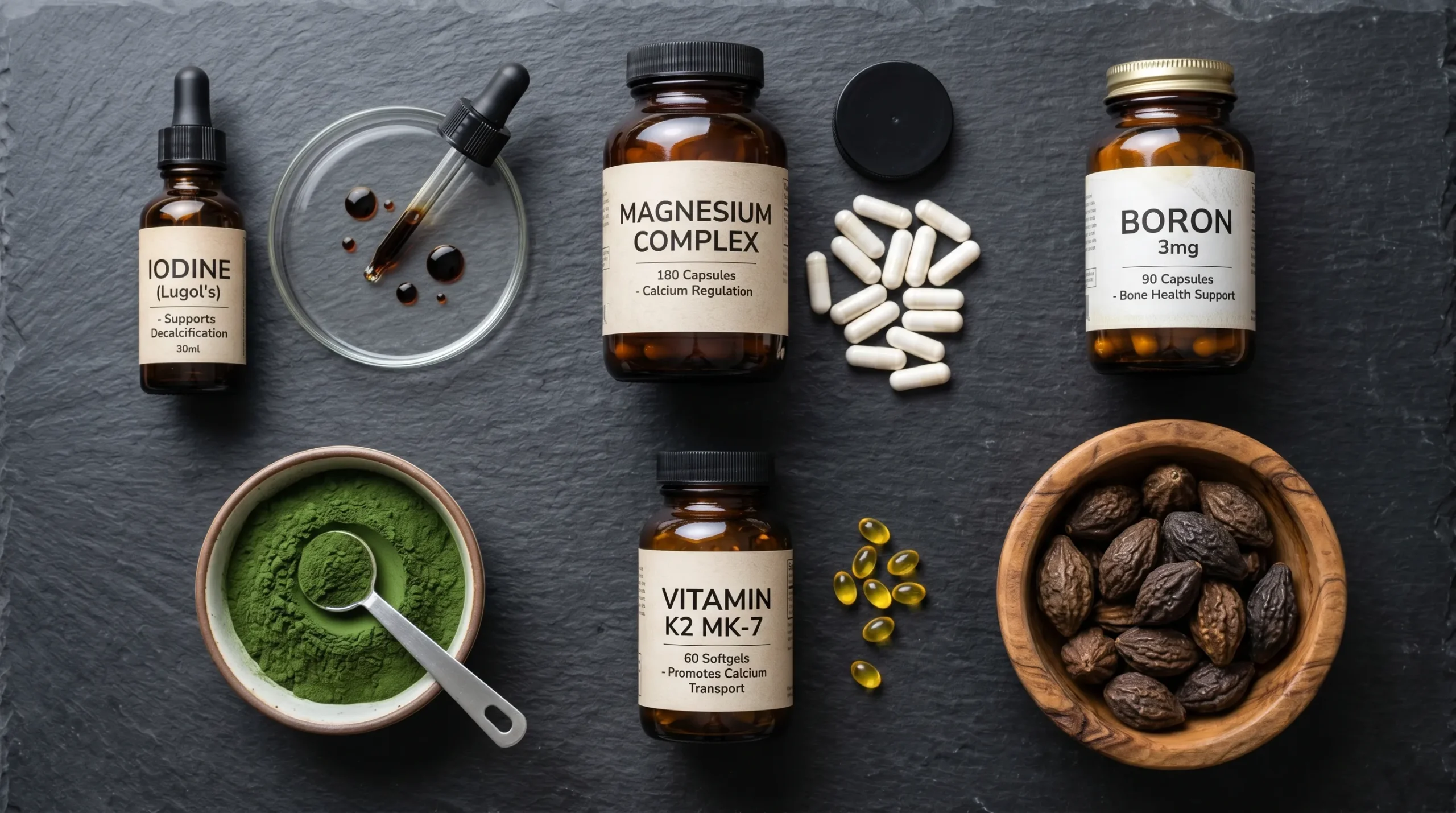
Strategic nutritional support gives the pineal gland the raw materials it needs to reverse calcification and restore optimal function
Targeted nutrients can help support glandular balance and overall brain health. This guide covers common choices, suggested roles, and safety notes. It helps readers make informed decisions about pineal gland care.
Iodine and the pineal gland
Iodine is key for endocrine health and is often used in natural protocols. It supports thyroid balance, which affects hormonal signaling to the brain.
Proponents say iodine improves glandular function. They suggest a modest dietary intake rather than high-dose supplements. Too much iodine can be harmful, so consult a clinician before increasing intake.
Magnesium, boron, and vitamin K2
Magnesium supports neurological function and sleep. Many find better sleep quality with adequate magnesium, helping melatonin rhythms and recovery.
Boron is mentioned for mineral balance and bone health. Its role in mineral balance is why some alternative clinicians recommend it.
Vitamin K2 directs calcium into bone and away from soft tissues. It's often used with vitamin D for healthy calcium metabolism. While evidence for pineal decalcification is limited, biochemical rationale supports its use.
Herbals and algae: chlorella, haritaki, and others
Botanicals and algae are common in detox programs for heavy metal reduction. Chlorella is used for binding and excreting trace metals, aiding pineal health.
Haritaki (Terminalia chebula) is part of Triphala in Ayurveda. It's traditionally used for digestive cleansing and regularity, supporting detox pathways.
Other botanicals like gotu kola, neem, sea moss, and parsley are used for circulation, liver support, or mineral balance. Those seeking chlorella or haritaki pineal gland support often combine these with core nutrients.
Precautions and dosage considerations
Supplements can interact with medications and medical conditions. Always follow label directions and discuss plans with a qualified clinician before starting new products.
Too much calcium supplementation can worsen mineral deposition. Those considering iodine, boron, or concentrated herbal cleanses should monitor labs and symptoms. Choose third-party tested products when possible.
For readers exploring targeted formulas, pineal gland decalcification supplements and specific blends like pineal xt decalcification are available. Careful research and professional guidance ensure safe use within a broader plan that includes diet, sleep, and toxin reduction.
Detox Protocols and Lifestyle Adjustments to Support Decalcification
Starting a natural pineal gland cleanse is easy. It involves small, daily changes. These changes help protect melatonin and promote calm. They fit well into our busy lives.

Darkness therapy and EMF reduction are among the most powerful — and most overlooked — tools for pineal gland decalcification
Reducing environmental toxin exposure
Choosing organic produce is a good start to lower pesticide intake. Avoiding non-stick cookware and products with harmful chemicals is also important. Filtering your drinking water can help reduce fluoride and chlorine byproducts.
Limiting processed foods is another step. This reduces additives and heavy metals. Wearing gloves and ensuring good ventilation when using household products helps too.
Home EMF and lighting adjustments
Make your home EMF-friendly by keeping routers away from your bed. Turn off Wi-Fi at night. Use full-spectrum or warm LED bulbs instead of harsh fluorescents.
Blue-blocking glasses or screen filters can help. They reduce glare from phones and tablets at night. Remove small light sources like alarm LEDs from your bedroom for better sleep.
Sleep hygiene and darkness therapy
Keep a regular sleep schedule to help your body's clock. A dark, quiet room is key for melatonin production. This supports a natural pineal gland cleanse.
Get some indirect daylight in the morning. This helps your body's clock without the risks of sunburn. Use blackout curtains and keep your bedroom device-free for deeper sleep.
When to seek medical input
Research on pineal changes is mixed. If you have chronic insomnia or new neurologic signs, see a doctor. They can check for thyroid issues, sleep apnea, or medication effects that might be affecting your sleep.
Doctors at sleep centers or your primary care provider can help. They can advise on testing, safe detox plans, and whether supplements are safe for you.
| Area | Simple Actions | Expected Benefit |
|---|---|---|
| Water quality | Install a fluoride-reducing filter; prefer glass bottles | Lower daily fluoride exposure; cleaner hydration |
| Home environment | Use warm LEDs; remove bedside electronics | Reduced blue light; improved sleep onset |
| EMF management | Move router away from bedroom; turn off Wi-Fi at night | Lower overnight EMF exposure; calmer sleep space |
| Diet and products | Choose organic produce; avoid non-stick pans | Reduced pesticide and PFAS burden |
| Sleep routine | Set fixed sleep times; use blackout curtains | Stronger melatonin rhythm; better sleep quality |
🛡️ Protect Your Pineal Gland From the Inside Out
Lifestyle changes reduce the damage — but your pineal gland also needs active nutritional support to reverse years of calcification. See how Pineal XT completes the protocol.
Meditation, Sound Frequencies, and Spiritual Practices for Third Eye Activation
Those who seek to decalcify the third eye often combine practical steps with inner work. They focus on breath, intention, and gentle movement to create a receptive state. These practices help balance the nervous system and may increase sensitivity at the ajna point.

When combined with physical decalcification, meditation and sound frequency work accelerate the pineal gland's return to full spiritual sensitivity
Third-eye meditation techniques and daily practice
They start with short sessions focused at the forehead. They visualize a soft light between their eyebrows or trace an upward current of awareness. Simple breath-focused sessions, guided visualizations, and safe candle-gazing at dusk build consistency.
They aim for two to three daily sittings of five to fifteen minutes. Gradually increasing time helps maintain calm and curiosity. This routine reinforces meditation as a supportive, long-term habit.
Sound frequency work including 936Hz
Sound practices use tones and music to guide relaxation and inward focus. They listen to meditative tracks or binaural beats tuned to 936Hz to create a calm backdrop. While evidence linking specific frequencies to glandular change is limited, sound can lower stress and deepen trance-like attention.
They combine listening with breath and visualization. This makes sessions feel more immersive. Using quality headphones and a quiet space improves results.
Movement and breathwork
Movement forms like Kundalini yoga, gentle asanas, and pranayama boost circulation and nervous system regulation. Techniques like alternate-nostril breathing and long, slow exhales support parasympathetic tone. Certain neck releases and mild inversions direct blood flow toward the head and may enhance subjective third-eye awareness.
Integrating mindful movement with meditation creates synergy. People curious about how to decalcify the pineal gland spiritually often find that combining breath, sound, and daily practice yields the greatest sense of clarity and calm.
Pineal XT Decalcification: Targeted Nutritional Protocol
Pineal XT is a focused option for those looking to care for their pineal gland. It combines with lifestyle steps like a natural cleanse, good sleep, and less fluoride. It aims to balance minerals, boost antioxidants, and support detox.
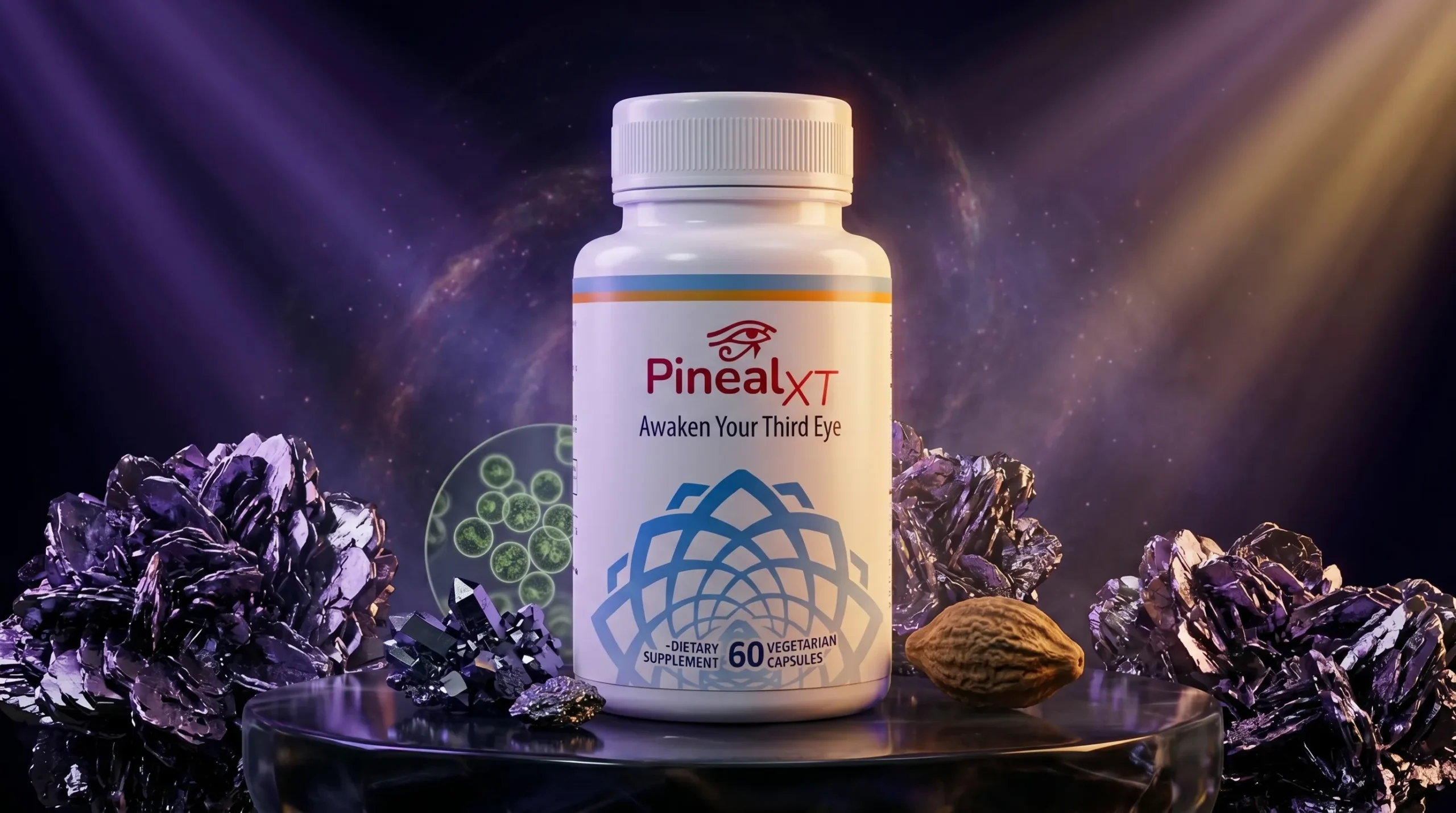
Introduction to targeted support
Pineal XT offers nutrients and botanicals to help with pineal gland decalcification. It works well with a diet rich in magnesium, boron, and vitamin K2. It's a good addition for those following a natural cleanse.
How it complements natural strategies
Pineal XT gives concentrated doses of important ingredients. It pairs well with foods and helps detox pathways. It's especially helpful when you're eating right and avoiding fluoride.
Suggested use and safety considerations
Always follow the label when using a pineal gland decalcification supplement. If you're pregnant, nursing, on medication, or have health issues, talk to a doctor first. Choose products tested by third parties to avoid contaminants.
Call to action
If you're looking for a nutritional boost for your pineal gland, consider Pineal XT. For more information and advice, check out trusted sources and talk to a healthcare professional before starting.
Targeted Decalcification Protocol
Pineal XT: Precision Nutrition for Serious Seekers
A precise blend of decalcifying nutrients and botanical extracts formulated to support pineal gland restoration and accelerate your path to third eye clarity.
Conclusion
The pineal gland is a small but crucial organ. It helps control melatonin and our body's rhythms. Aging, changes in metabolism, and exposure to fluoride and toxins can cause it to calcify.
While the idea of a third eye linked to DMT is still a topic of debate, the impact on sleep is clear. Disruptions in melatonin and sleep patterns are well-documented.
To keep the pineal gland healthy, a balanced diet and lifestyle are key. Eating whole foods, staying hydrated, and avoiding fluoride are important. Nutrients like iodine, magnesium, and vitamin K2, along with chlorella and haritaki, help detoxify the body.
Simple habits like using darkness therapy, improving sleep, and reducing EMF exposure also help. Daily meditation or breathwork can support these efforts.
While reversing calcification is not fully proven, the steps recommended are still beneficial. If you have sleep issues or health concerns, talk to a doctor before starting new supplements. Pineal XT is suggested as a supplement to aid in cleansing the pineal gland.
FAQ
What is the pineal gland and why does calcification matter?
The pineal gland is a small organ in the brain that helps us sleep and stay in rhythm with the day. It makes melatonin, which is important for these functions. Calcification, or calcium deposits, can form in this gland. This is common and can affect how well it works.
While it's true that calcification can happen more as we age, it's not clear if it directly causes symptoms. Some people believe that removing these deposits can help with sleep and even improve their intuition.
What causes pineal gland calcification?
Several things can lead to calcification in the pineal gland. Getting older and the gland's activity are big factors. Some think that things like fluoride, heavy metals, and certain foods can also play a role.
Being exposed to too much light, especially at night, and possibly even electromagnetic fields, might also affect it. Certain health issues, like Alzheimer's, can increase the chance of calcification, but it's not proven.
Is fluoride proven to calcify the pineal gland?
Some studies suggest that fluoride might be linked to more deposits in the pineal gland. But, there's not enough solid evidence to say for sure. Health groups like the American Dental Association still recommend fluoride in water for teeth health.
Those who want to avoid fluoride might use special water filters and fluoride-free toothpaste. It's important to keep up with good dental care.
How does calcification affect melatonin and sleep?
The pineal gland makes melatonin, which helps us sleep. If it gets too calcified, it might not work as well. This could lead to trouble sleeping or feeling tired during the day, especially in older adults.
But, research is mixed. Some studies find a link between calcification and sleep problems. Others don't see a clear connection.
Can pineal calcification be reversed? Are there proven medical treatments?
There's not much solid evidence that shows we can reverse pineal gland calcification in people. It's common and usually doesn't cause harm. Doctors don't usually treat it directly.
If you have sleep or other health issues, it's best to see a doctor to find out why. They can help you find a solution. Some people try lifestyle changes or supplements that are thought to help.
What dietary changes support pineal health?
Eating a diet full of whole foods is good for your pineal gland. Include lots of leafy greens, beets, fruits, nuts, and sea vegetables. Avoid foods high in sugar, unhealthy fats, and additives.
Drinking plenty of water is also important. Some people use filtered water to reduce fluoride and chlorine.
Which nutrients and supplements are commonly suggested for decalcification?
Some people take iodine, magnesium, boron, and vitamin K2 to help with pineal health. Antioxidants and herbs like chlorella and haritaki are also used. These might help with mineral balance and detox.
But, there's not much research on using these for pineal decalcification. Always talk to a doctor before starting any supplements.
What safety precautions apply to supplements like iodine, boron, or herbal cleanses?
Supplements can interact with medications and health conditions. Too much iodine can harm the thyroid. Herbs like haritaki can affect digestion or how well medications work.
People with certain health issues or taking certain medications should be careful. Choose products from trusted sources and follow the recommended doses.
Are there lifestyle steps to support pineal function besides diet and supplements?
Yes. Improving sleep and keeping your bedroom dark can help. Limiting screen time at night is also important. This can help your body make more melatonin.
Try to reduce exposure to electromagnetic fields and use warm lighting instead of harsh fluorescent lights. Regular exercise, breathwork, and stress-reducing activities can also help.
What role do meditation, breathwork, and sound frequencies play?
Meditation, especially focusing on the "third-eye," can help you become more aware. Breathwork and gentle yoga can improve circulation and balance your nervous system.
Sound healing, like using 936Hz frequencies, can help you relax and focus. While there's limited scientific proof, these practices can make you feel more calm and centered.
What is Pineal XT and how does it fit into a decalcification plan?
Pineal XT is a supplement designed to support the pineal gland. It's meant to be used along with a healthy diet, staying hydrated, and taking certain nutrients and herbs. It's meant to help with decalcification and overall pineal health.
As with any supplement, it's important to follow the instructions and talk to a doctor if you have health concerns or take medications. Look for products that have been tested by third parties for purity.
How should someone balance reducing fluoride exposure with dental health needs?
While fluoride is good for teeth, some people choose to limit their exposure. They might use water filters and fluoride-free toothpaste. It's important to still brush and floss regularly and see a dentist for check-ups.
Talking to a dentist about any changes you make is a good idea to make sure your teeth stay healthy.
When should someone see a healthcare professional about pineal issues?
If you're having trouble sleeping or other health issues, it's best to see a doctor. They can check for other problems and help you find a solution. They might recommend lifestyle changes or other treatments.
Are there risks to attempting a “pineal gland cleanse” at home?
Making healthy lifestyle choices is generally safe and can help your overall health. But, taking high doses of supplements or doing extreme detoxes can be risky. Always talk to a doctor before starting any new supplements or detox plans.
Where can someone learn more or explore a targeted supplement like Pineal XT?
If you're interested in Pineal XT or other supplements for pineal health, you can find more information online. Look at product labels and third-party test results. Always consult with a healthcare professional before starting any new supplements.
For more on Pineal XT, visit https://celestialvibes.net/go/pineal-xt.
👁️ Complete Pineal Gland & Third Eye Research:
🔬
Decalcification Protocol:
Pineal Gland Decalcification — How to Remove Calcification and Restore Your Third Eye
💊
Supplement Science:
Pineal Gland Supplements — Top 5 Nutrients for Decalcification and Third Eye Activation
Leave a Reply