
Theta Waves Benefits: What Happens to Your Brain at 4–8 Hz?
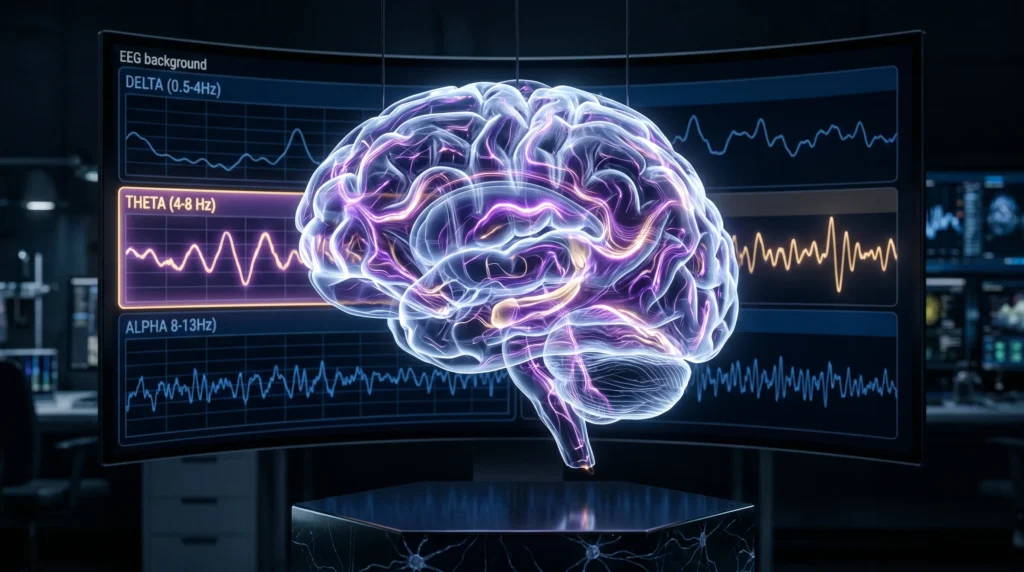
Theta rhythms at 4–8hz open a special doorway in the brain. This article is a deep dive into the benefits of theta waves and the brainwave state they create. You'll learn how these waves are linked to creativity, learning, memory, emotional healing, stress reduction, and spiritual experiences.
The article combines scientific evidence with practical tips. It talks about natural methods like meditation, breathwork, and naps. It also discusses tools like binaural beats and neurofeedback for entrainment.
This piece is for U.S. readers looking for evidence-based methods. It shows how theta waves can improve creativity and memory. It also talks about emotional regulation. The article sees "theta waves benefits" as a theme that covers thinking, feeling, and personal growth.
Key Takeaways
- Theta brainwave state at 4–8 Hz supports creativity and insight.
- 4-8hz brain waves aid memory consolidation during sleep and quiet wakefulness.
- Theta waves meditation and short naps can boost learning and emotional recovery.
- Clinical studies report increased theta power with binaural-beat entrainment in key lobes.
- Practical tools—breathwork, focused practice, and neurofeedback—help access healthy theta states.
What Are Theta Waves? Defining 4–8 Hz Brain Activity
Theta waves are a unique part of brainwave frequencies. They are measured on the scalp using EEG and range from 4-8hz. This range helps us move from being awake but relaxed to deeper sleep and focus.
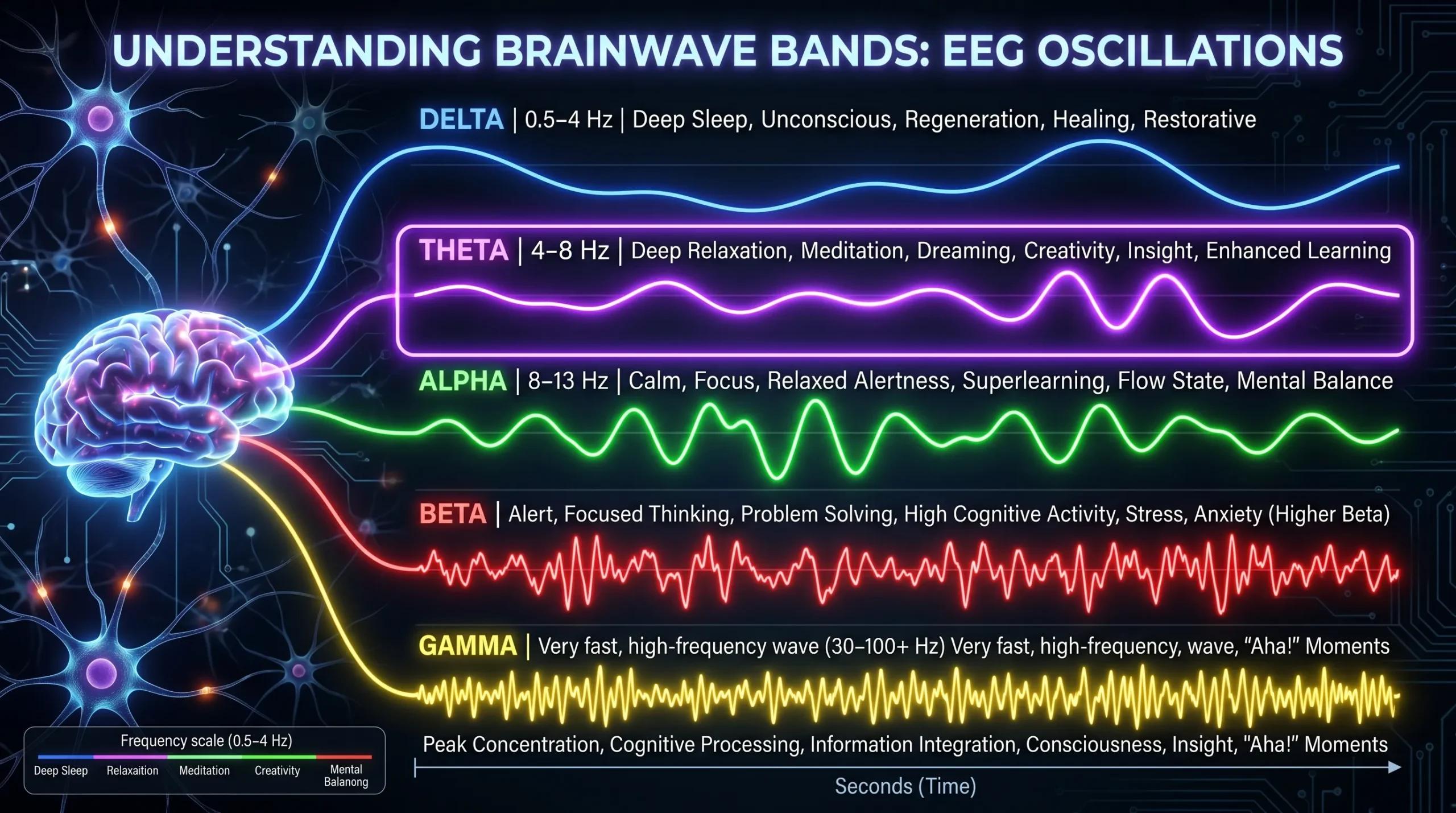
EEG breaks down brain activity into different bands. Delta waves are for deep sleep, theta for lighter sleep and focus, alpha for calm wakefulness, beta for active thinking, and gamma for high-speed processing. Understanding theta's place helps us see its importance.
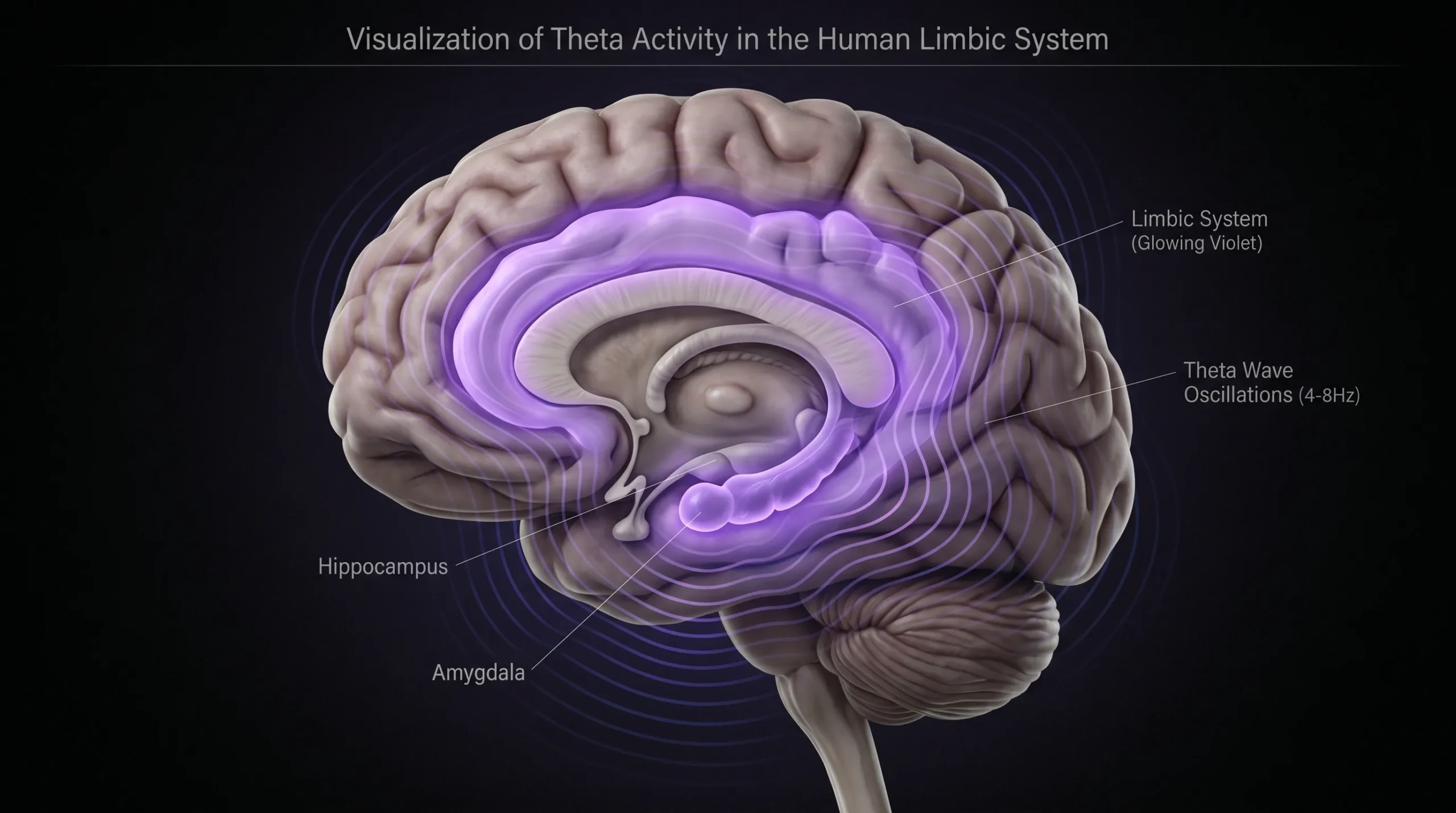
The hippocampus and limbic circuits are key in creating theta waves. Studies by György Buzsáki and human EEG show theta's link to memory and navigation. Theta waves in the cortex are strongest in the temporal and parietal areas, with changes in the prefrontal area depending on the task.
Theta waves occur naturally in various situations. They are common during hypnagogia and stage 1 sleep, in deep meditation and prayer, and during creative flow and daydreaming. Children also have a lot of theta waves when they learn, showing its practical benefits.
Knowing about theta waves helps us plan activities for when they are most beneficial. Simple activities like relaxing, focused breathing, or short naps can increase theta waves. This supports memory, creativity, and emotional processing.
| Context | Typical EEG Band | Common Regions | Relevance |
|---|---|---|---|
| Sleep onset (hypnagogia) | Theta (4–8 Hz) | Temporal, parietal | Transition to sleep, creative imagery |
| Stage 1 sleep | Theta (4–8 Hz) | Diffuse cortical + hippocampus | Early consolidation, sensory gating |
| Meditation and prayer | Theta (4–8 Hz) | Frontal to parietal | Internal focus, reduced arousal |
| Creative flow and daydreaming | Theta (4–8 Hz) | Parietal, temporal | Insight, associative thinking |
| Childhood learning | Theta (4–8 Hz) | Widespread cortical | High plasticity, rapid acquisition |
🧠 What Is Your Subconscious Telling You?
Theta meditation opens the gateway — but knowing how to read what emerges from your subconscious is an equally important skill. Discover the most common signals your subconscious sends and how to decode them:
Read: Signs Your Subconscious Is Trying to Tell You Something →
Theta Waves vs Alpha, Beta, Delta: How 4–8Hz Differs
The brain goes through different frequency bands that affect our thoughts, sleep, and mood. By comparing theta with alpha, beta, and delta, we see why theta is important for memory, creativity, and relaxation. This guide explains the differences to help you understand their roles.
Functional contrasts:
Alpha waves (8–12 Hz) are for calm wakefulness and quiet focus. They help us stay receptive and filter out distractions. Beta waves (13–30 Hz) are for active problem-solving and focused work. Delta waves are for deep sleep and physical recovery.
Where each band shows up in daily cycles:
Our day starts with beta for tasks and alpha for calm. As we get sleepy, alpha turns to theta in the hypnagogic state and stage 1 sleep. Then, we enter delta slow-wave sleep for deep rest. This cycle is key for learning, emotions, and healing.
Clinical and performance implications:
Healthy theta levels boost creativity and memory. Too much theta in wakefulness is seen in ADHD. Insomnia shows too much beta or gamma at night and disrupted theta. Neurofeedback or sound entrainment can help adjust these rhythms.
| Band | Frequency | Primary function | When it appears | Performance note |
|---|---|---|---|---|
| Delta | <4 Hz | Physical restoration, deep sleep | Slow-wave sleep | Critical for recovery; not present during wakeful tasks |
| Theta | 4–8 Hz | Memory integration, creative insight, deep relaxation | Hypnagogia, stage 1 sleep, meditation | Supports consolidation; excess in wakefulness impairs focus |
| Alpha | 8–12 Hz | Calm, receptive focus | Quiet wakefulness, relaxed attention | Good for creative incubation and steady tasks |
| Beta | 13–30 Hz | Active thinking, alertness | Goal-directed tasks, stress arousal | Necessary for problem solving; excess causes rumination |
| Gamma | >30 Hz | High-level integration, binding perception | Complex cognition, moments of insight | Linked to peak performance but hard to sustain |
Practical takeaways: use the nuance between theta waves vs alpha to choose techniques. Meditation and creative naps elevate theta for insight and learning. Focus sessions and meetings demand alpha or beta dominance. Clinicians examine theta/beta ratios when assessing attention and sleep disorders, aiming to restore appropriate timing and regional balance.
👁️ Amplify Your Results at the Biological Level
The Genius Wave activates theta states through sound. But the pineal gland — your brain's biological third eye — needs targeted nutritional support to sustain and deepen those states. Discover the decalcification protocol that completes the picture:
Read: Pineal Gland Activation — The Spiritual Science Behind Your Third Eye →
When the Brain Naturally Produces Theta Waves
The brain naturally enters theta waves in certain moments. These include the start of sleep, deep meditation, and creative bursts. Knowing when this happens can help us use these moments for learning, calm, and insight.

Light sleep and sleep onset
As we drift off to sleep, stage 1 shows a rise in theta waves. EEGs reveal a peak in theta in the sleep's first minutes. This state brings vivid dreams and a lessened grip on the outside world.
Theta waves help solidify memories by reorganizing recent experiences. They are key to restorative sleep. But, if theta lingers during the day, it might signal a need for attention or a sleep issue.
Meditation, prayer, and deep internal focus
Many meditation practices see an increase in theta waves, especially in the front and middle parts of the brain. Focused and open monitoring meditation often boosts theta. Studies on contemplative practices like Rajyoga and mindfulness also show this.
Meditation in theta waves helps focus inward and ignore distractions. It lowers stress and strengthens memory. Regular meditation can lead to calm and clear thinking.
Creative flow, daydreaming, and childhood learning patterns
Creative flow often happens when theta waves are high. Thomas Edison and Salvador Dalí used short naps for inspiration. Modern EEGs link theta bursts to quick problem-solving and new ideas.
Daydreaming and spontaneous images bring theta into our waking lives. Children naturally have more theta, which aids imagination and learning. Adults can tap into this for creative thinking and faster learning.
Using these natural theta moments wisely is key. Short naps, brief meditation, or quiet tasks can bring the benefits of theta waves into our daily lives.
Theta Waves benefits
Theta rhythms connect our waking thoughts to deeper states of mind. They are present in hypnagogia, meditation, and light sleep. People often report clarity, easier learning, and mood shifts during these moments.
Enhanced creativity and insight linked to theta-dominant moments
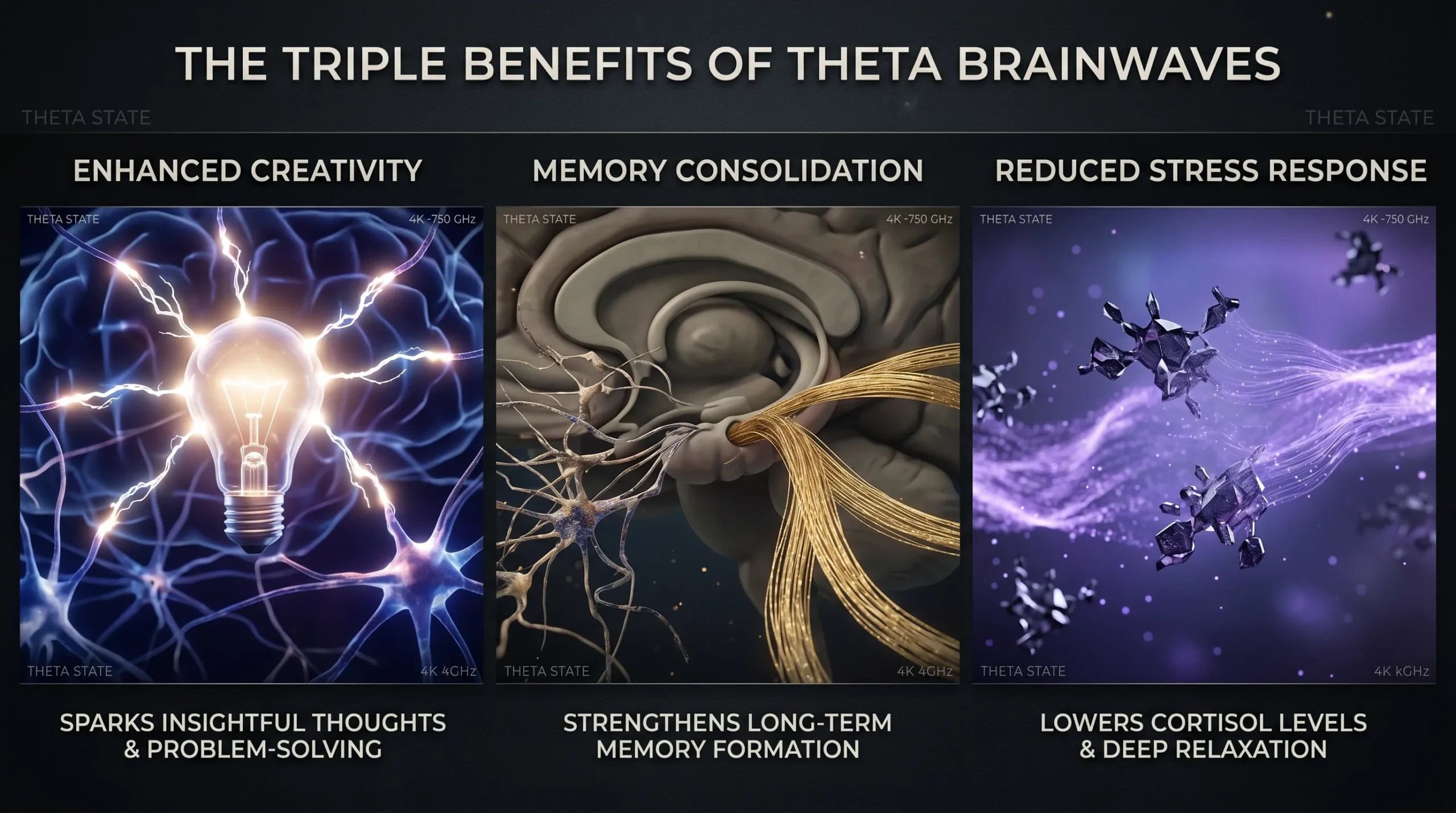
The brain uses theta to break free from old patterns and explore new ideas. Artists and scientists often find sudden solutions and vivid images in these states. EEG studies confirm that brief theta surges help during creative tasks.
Accelerated learning and memory consolidation through theta rhythms
Hippocampal theta helps link new information into a cohesive memory. Studies show more theta power during learning and sleep. Short naps, focused review, and sleep-aware study plans can improve retention.
Emotional healing, stress reduction, and parasympathetic engagement
Theta activity is linked to lower heart rate and calmer breathing. Meditation that increases theta can reduce stress and improve mood. Nighttime theta helps process emotions, aiding in recovery after intense experiences.
It's important to use theta wisely. Too much during the day can make it hard to focus. Therapists and trainers aim to enhance theta at the right times and places for benefits without affecting daytime focus.
| Benefit | Mechanism | Practical approach |
|---|---|---|
| Creative insight | Theta loosens cognitive constraints, enabling associative leaps | Use short hypnagogic naps, open-monitoring meditation, or timed breaks |
| Learning and memory | Hippocampal theta coordinates encoding and consolidation | Schedule study before naps, practice spaced repetition, prioritize sleep |
| Emotional regulation | Parasympathetic engagement reduces arousal and supports processing | Try breath-led meditation, guided imagery, or slow heart-rate practices |
| Spiritual depth | Theta fosters inward attention and vivid inner imagery | Adopt contemplative routines and safe meditative frameworks |
🧠 Want to Access These Benefits Daily?
The Genius Wave is engineered specifically to guide your brain into theta states in just 7 minutes — delivering the creativity, memory and emotional healing benefits of deep theta without years of meditation practice.
The Science Behind Theta and Memory
The hippocampus creates rhythmic theta activity. This helps link brain regions during memory tasks. György Buzsáki calls this rhythm a pacing signal. It makes memories coherent.
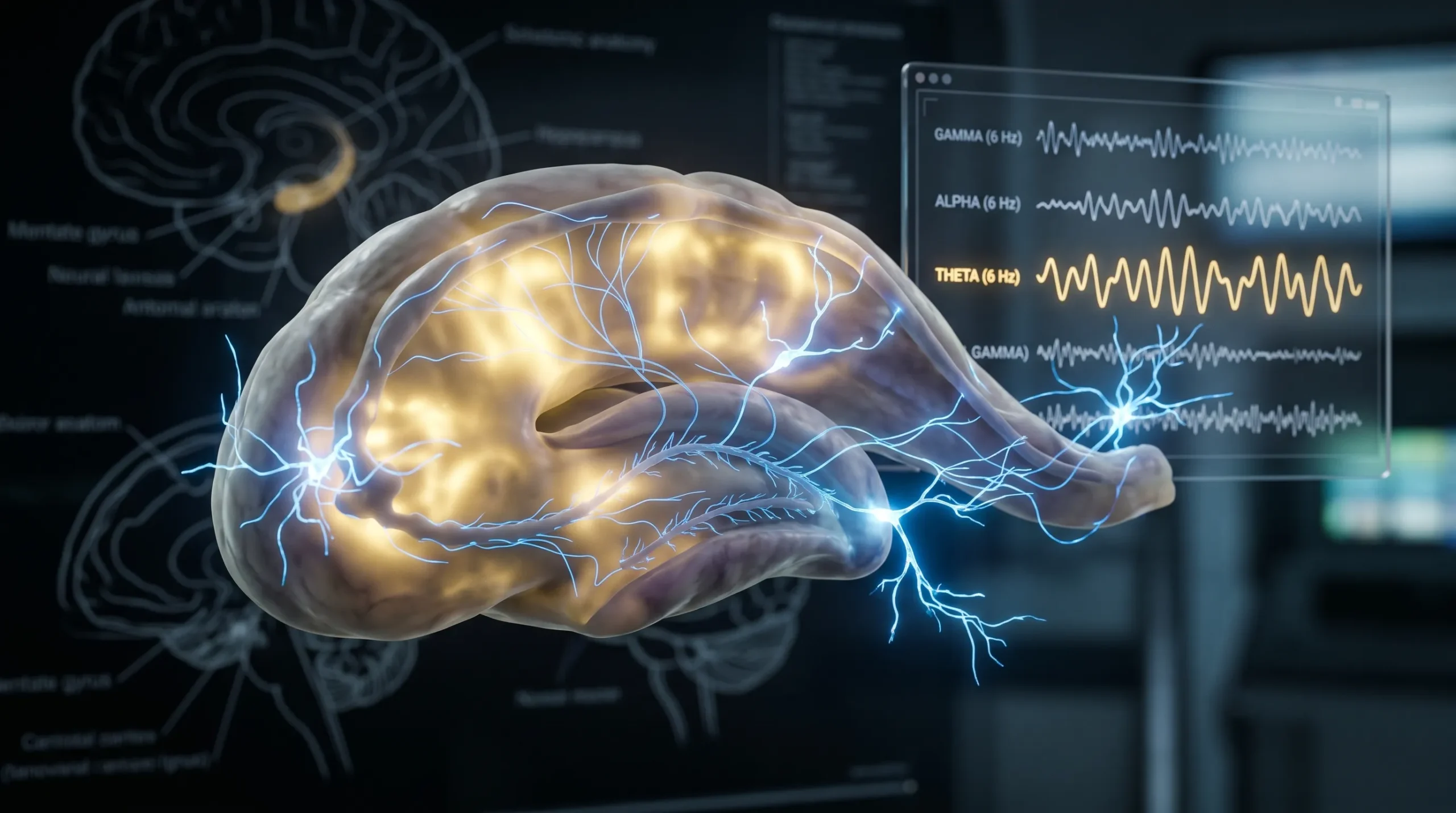
The hippocampal role in encoding and retrieval
Hippocampal theta helps match new sensory maps with old memories. When the hippocampus and cortex work together in theta, synapses get stronger. This is how we make lasting memories.
EEG evidence and task-related increases
EEG and intracranial recordings show more theta power during memory tasks. This is true for both waking and sleep stages. It shows that 4-8hz brain waves increase when we make connections and during sleep.
Regional entrainment and external modulation
Studies using theta binaural beats show power gains in memory areas. This suggests that external stimulation can improve learning. It points to the potential of training theta rhythms for better memory.
Practical implications for learning and study timing
Short naps can help capture natural theta-rich windows for consolidation. Meditation can also enhance encoding and recall. Using study-rest cycles can speed up learning.
| Finding | Evidence | Practical Tip |
|---|---|---|
| Hippocampal theta links encoding and retrieval | Intracranial and animal studies show theta-timed plasticity | Use focused encoding tasks followed by brief rest or meditation |
| Theta power rises during associative memory tasks | EEG studies reveal 4-8hz brain waves increase with better performance | Schedule complex learning in short blocks with naps or breaks |
| External entrainment affects memory regions | Theta binaural beat studies show temporal/parietal gains | Consider guided entrainment or neurofeedback for targeted practice |
| Short naps support consolidation | Sleep research links stage 1/light sleep to theta-related gains | Take 20–30 minute naps after intense study sessions |
| Meditation can evoke theta-rich states | EEG during certain meditations reports elevated theta | Incorporate 10–20 minute meditations that encourage inward focus |
Theta Waves and Emotional Regulation: Healing and Stress Reduction
The brain's 4–8 Hz rhythms are key in processing and releasing feelings. Research shows that entering a theta brainwave state helps with emotional integration. It also leads to calmer physiology during meditation and measurable changes after specific interventions.

Theta activity during sleep and emotional processing
During sleep, theta and delta waves help reframe memories and lower emotional charge. People often wake up with a clearer perspective after a good night's sleep. This nocturnal processing aids in coping and reduces daytime stress.
Meditative theta states and reductions in cortisol and arousal
Theta waves meditation, which involves slow breathing and engaging the parasympathetic system, has been studied. It shows lower cortisol levels, reduced heart rate, and calmer muscles. Regular practice can lead to lasting lower physiological arousal.
Clinical observations and theta-based interventions
Clinicians have seen promising results with neurofeedback and auditory entrainment to boost theta waves. Studies with theta binaural beats show increased theta power and some improvement in insomnia and anxiety. However, results vary, so personalized approaches are recommended.
Excess or poorly timed theta can cause attention problems and dysregulated arousal. A balanced approach includes behavioral sleep hygiene, paced breathing, and guided theta waves meditation for emotional regulation.
| Intervention | Primary Effect | Typical Targets | Notes on Evidence |
|---|---|---|---|
| Guided meditation | Increases theta power, lowers cortisol | Stress, mild anxiety, emotional reactivity | Multiple randomized and cohort studies show short-term physiological benefits |
| Theta binaural beats | Entrainment of 4–8 Hz rhythms, enhanced theta absolute power | Insomnia, relaxation, mood stabilization | EEG studies report localized theta increases; clinical outcomes mixed but promising |
| Neurofeedback training | Volitional modulation of theta and related bands | Anxiety disorders, sleep disturbance, attention regulation | Variable results; best when individualized and combined with therapy |
| Sleep optimization (naps, timing) | Supports natural theta/delta integration for memory and emotion | Overnight emotional consolidation, acute stress recovery | Consistent evidence links healthy sleep architecture to better emotional outcomes |
Theta Waves and Creativity: Hypnagogia, Insight, and Flow

The moment between wakefulness and sleep is when the most surprising ideas come. This liminal state has a rise in theta brainwave activity. It loosens strict thinking and invites new connections. Artists and inventors often use creative naps to catch these flashes of insight.
Salvador Dalí and Thomas Edison used micro-naps to capture hypnagogic images. Modern studies back their approach. EEG studies show that brief theta bursts and frontoparietal theta coherence predict sudden solutions and original associations during problem solving.
Yang et al. found links between resting-state theta dynamics and creative output. Task-based EEG shows a spike in midline theta before the “aha” moment. These patterns are part of the broader theta waves benefits, including enhanced associative thinking and memory consolidation.
Practical techniques can help access these states without disrupting daily life. A classic creative nap protocol uses a seated position and a small object in hand. The object falls when hypnagogia theta arrives, waking the practitioner at the transition so images or ideas can be recorded.
Meditation approaches that combine relaxed attention with vivid imagery nudge the brain toward a theta brainwave state. Alternating focused work with short restorative breaks or naps primes associative processing and preserves daytime productivity.
Simple breathwork—slow diaphragmatic breathing—paired with open-monitoring meditation increases the propensity for theta rhythms. These methods let a person tap into theta waves and creativity in safe, repeatable sessions aimed at innovation or learning.
Training caution is important. Excessive daytime theta can impair concentration and task performance. Protocols used for creative sessions should be time-limited and tied to specific goals so theta waves benefits are gained without functional cost.
The quick reference below compares common techniques, expected theta markers on EEG, and best-use tips for creative practice.
| Technique | Typical Theta Markers | Practical Tip |
|---|---|---|
| Creative nap (seated object) | Transient hypnagogia theta bursts, brief alpha-theta mix | Keep sessions under 10 minutes and record impressions immediately |
| Open-monitoring meditation | Increased frontal and midline theta coherence | Practice 15–30 minutes with soft attention to imagery |
| Guided visualization | Theta-dominant epochs with stable wakeful awareness | Use for ideation phases; follow with focused refinement |
| Alternating focus/rest cycles | Periodic rises in theta during break windows | Schedule short naps or quiet breaks after 60–90 minutes work |
| Breathwork plus open attention | Gradual theta buildup, reduced beta interference | Combine slow diaphragmatic breathing with 10–20 minute practice |
Unlock Your Creative Theta State
The Same State Edison and Tesla Used — Now Available in 7 Minutes
History's greatest creative minds accessed theta deliberately. The Genius Wave gives you a science-backed shortcut to the same hypnagogic creative state — every single day.
Theta Waves and Spiritual Experience: Intuition, Third Eye, and Heightened Awareness
Theta-rich moments feel like a doorway. People report feeling one with everything, seeing clear images inside, and knowing things without trying. These experiences are common in meditation and contemplation worldwide.

Subjective states tied to deep inner sensing
People see vivid images and feel a "third eye" during theta activity. This inner world offers quick, true insights. With careful guidance, meditation in the theta state can deepen these experiences.
Brain networks behind mystical feeling
Neuroscientists say these feelings come from brain timing and coordination. The theta state helps different brain parts work together. This creates rich, unified scenes without needing all our senses.
Safe ways to explore altered states
Begin with short guided sessions and then move to longer retreats. Gradually getting used to these states helps avoid feeling overwhelmed. Good sleep and activities like movement and journaling help after deep sessions.
When using technology, stick to recommended times for binaural beats or neurofeedback. If you feel lost, a meditation teacher or mental health expert can help.
Practical table for practice choices and precautions
| Practice | Typical Effect | Session Length | Safety Tip |
|---|---|---|---|
| Guided theta waves meditation | Calm access to inner imagery and intuition | 10–20 minutes | Use an experienced guide; end with grounding |
| Binaural beats focused on theta | Increased theta power and relaxed focus | 15–30 minutes | Keep volume low; follow recommended protocols |
| Short hypnagogic naps | Spontaneous creative and mystical impressions | 10–25 minutes | Time naps to avoid sleep inertia; journal insights |
| Neurofeedback training | Targeted increase in theta regulation | 20–40 minutes per session | Work with certified clinicians for protocols |
| Retreats with extended silence | Deep, sustained theta experiences | Several days to weeks | Build up gradually; ensure supervision and integration |
Theta waves help us tap into our intuition and inner clarity. These experiences can be life-changing if we approach them carefully. Brief practices, mood monitoring, and grounding habits are key.
How to Encourage Healthy Theta: Natural Practices and Training
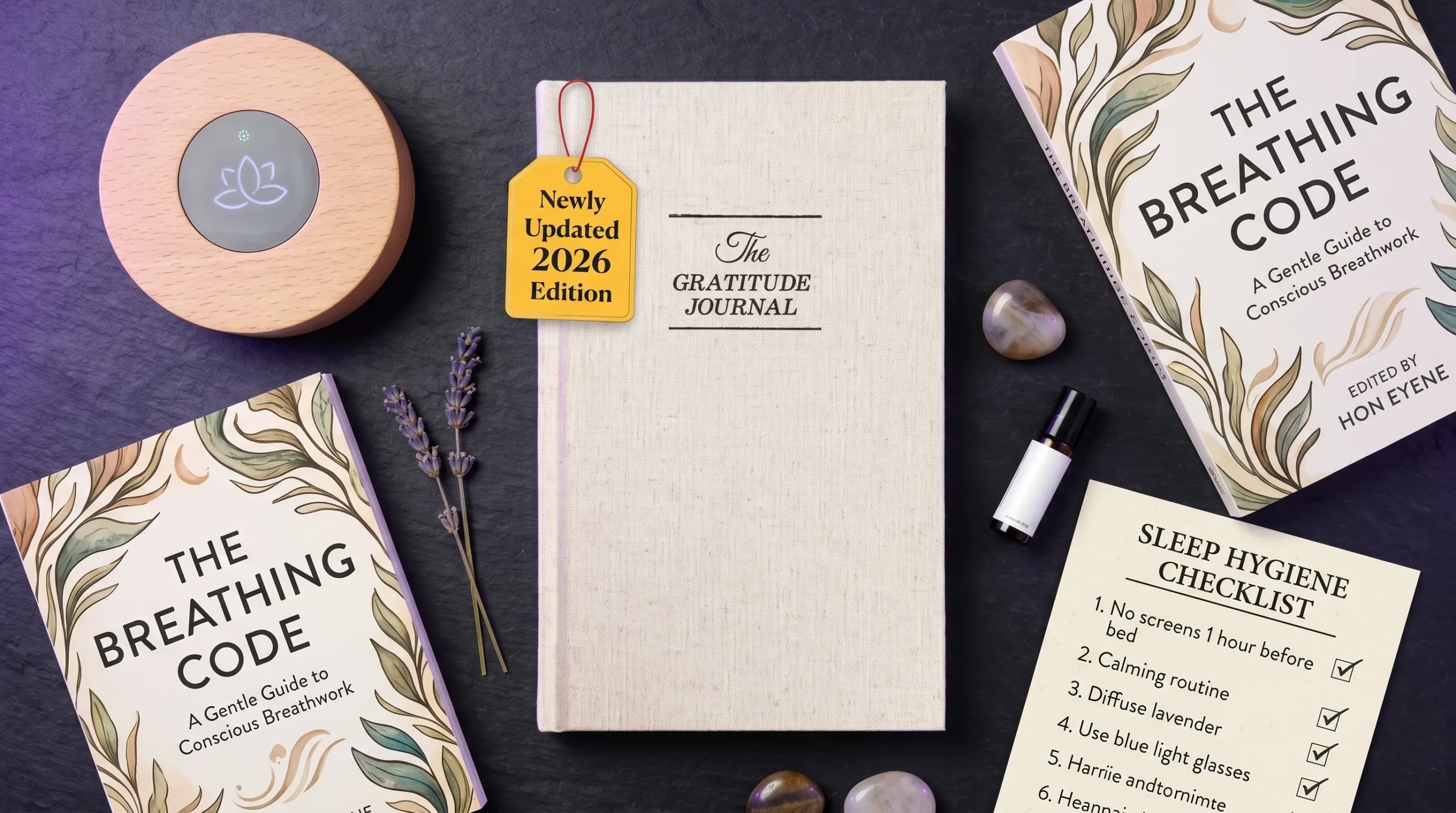
Healthy theta comes from practice, routine, and training. Daily habits can help the brain reach states that support learning, creativity, and calm. Here are practical steps for anyone wanting to access theta-friendly states safely and effectively.
Meditation practices
Focused-attention meditation with a gentle inward focus raises frontal-midline theta. Short, regular sessions of ten to thirty minutes are best for increasing cortical theta activity.
Open-monitoring and guided imagery boost parietal and temporal theta. They help with associative processing, useful for insight. It's good to alternate between focused-attention and open-monitoring days to balance stability and flexibility.
Breathwork and sleep hygiene
Slow diaphragmatic breathing and coherent-breath protocols help synchronize heart and respiration rhythms. This supports theta emergence. Simple paced breathing for five to ten minutes before practice primes the nervous system.
Consistent sleep schedules and lower evening screen time encourage natural hypnagogic theta during sleep onset. Timed naps and short pre-sleep visualization sessions create windows for theta-driven consolidation and insight.
Creative rituals and practice structure
Structured breaks, brief creative naps, and pre-task visualization help shift into theta-rich states. Artists, writers, and students can set micro-rituals. A three-minute breath routine, five minutes of imagery, then a focused task harnesses theta waves benefits for insight and productivity.
Neurofeedback and home devices
Clinical neurofeedback trains region-specific theta patterns for goals like memory or relaxation. Programs from clinics like Yale or UCLA follow rigorous assessment and tailored protocols.
Consumer EEG headbands and guided apps offer accessible feedback loops for home use. Choosing evidence-based platforms improves outcomes. Users should watch for excess daytime drowsiness and consult a clinician for clinical conditions.
Practical combination and tracking
Combine natural practices with measured technology use. Track subjective outcomes like sleep quality, creativity, and recall to tune protocols. Small, consistent changes produce steady shifts in brain states and in theta waves learning and memory performance.
| Practice | Typical Session | Primary Effect | Notes |
|---|---|---|---|
| Focused-attention meditation | 10–30 minutes daily | Increases frontal-midline theta, improves concentration | Start short; build to daily habit |
| Open-monitoring / guided imagery | 10–20 minutes, alternate days | Enhances parietal/temporal theta, boosts creativity | Use imagery cues for targeted insight |
| Diaphragmatic breathwork | 5–15 minutes before practice | Supports autonomic balance and theta emergence | Paced breathing 4–6 breaths per minute recommended |
| Sleep hygiene & naps | Consistent schedule; 20–40 minute naps | Promotes hypnagogic theta and memory consolidation | Avoid late caffeine and screens before bed |
| Neurofeedback (clinical) | Weekly sessions for several months | Trains region-specific theta for memory or mood | Works best with professional assessment |
| Consumer EEG devices | Daily short sessions with app guidance | Provides feedback to reinforce theta patterns | Choose evidence-based brands and monitor effects |
When used thoughtfully, these approaches enhance theta waves meditation and exploit brainwave entrainment theta where appropriate. The combined effect supports theta waves benefits tied to creativity, calm, and memory, without compromising daily function.
⚡ Natural Practices Work — Technology Accelerates Them
Meditation, breathwork and sleep hygiene build the foundation. The Genius Wave amplifies every session by delivering precisely targeted theta frequencies — making your natural practices dramatically more effective.
Brainwave Entrainment Theta: Technology, Evidence, and The Genius Wave
The field of brainwave entrainment theta combines simple audio with measurable brain changes. It uses rhythmic sounds to guide brain waves to the 4–8 Hz band. Listeners often feel relaxed, see vivid images, and sleep better when the audio matches their goals.
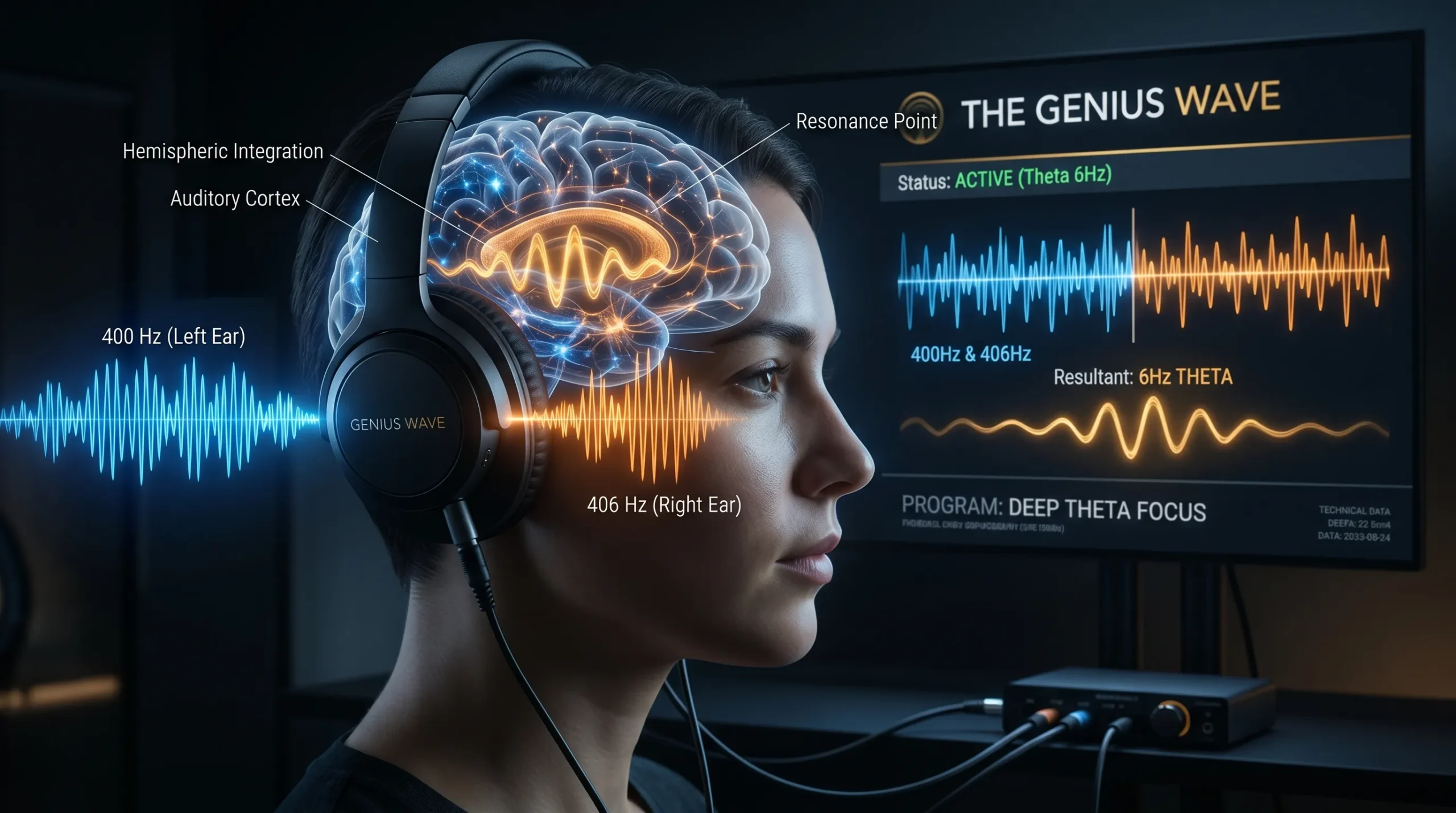
Entrainment is about using external pulses to sync brain waves with a target frequency. Common methods include binaural beats, monaural beats, and isochronic tones. Binaural beats use different tones for each ear, while isochronic tones use clear pulses through speakers.
Studies have tested these methods against EEG markers. A trial with insomniacs found that 6 Hz binaural beats increased theta power in the brain. This effect was strongest in the temporal and parietal regions. Healthy adults also showed increased theta power and brain connectivity after listening to guided entrainment.
These changes can improve meditation and focus. Short sessions of 10 to 30 minutes are best for beginners. Avoid using entrainment when you need to focus on something else, like driving. Tracking your mood and sleep helps adjust the timing and dosage for you.
The table below compares common methods, session lengths, and uses for creativity, sleep, and study.
| Method | How it works | Session length | Primary uses |
|---|---|---|---|
| Binaural beats | Two tones separate by target diff. create a perceived beat in the brain | 10–30 minutes | Meditation, memory priming, sleep onset |
| Isochronic tones | Distinct pulses at target frequency, effective through speakers | 10–25 minutes | Relaxation, focus transition, group sessions |
| Monaural beats | Mixed tones that produce a physical beat delivered via headphones or speakers | 8–20 minutes | Quick entrainment, study boosts, creativity warm-ups |
| Guided audio + breathwork | Entrainment combined with spoken guidance and paced breathing | 12–30 minutes | Deep relaxation, theta waves meditation, therapeutic sessions |
Those looking for structured programs often choose The Genius Wave. It offers guided theta sessions for creativity, memory, and relaxation. When combined with good sleep habits and practice, it enhances the benefits of meditation and hypnagogia.
When using entrainment tools, follow the manufacturer's or clinician's advice. Start with a low dose, combine audio with breathwork or mindfulness, and watch how you respond. If you're treating a condition, talk to a professional before using entrainment as a main treatment.
Final Verdict
Theta Waves Are Your Brain’s Most Powerful Natural State
The science is clear — theta brainwave activity unlocks creativity, accelerates learning, heals emotional wounds and opens the door to spiritual awareness. The only question is how consistently you can access it. The Genius Wave makes that answer simple.
Conclusion
Theta waves are low-frequency brain rhythms. They connect memory, creativity, and emotions. Research shows they help with memory and creativity, and reduce stress through meditation.
These benefits are strongest when they happen at the right times and places in the brain.
Balance is key. Too much theta can hurt focus. Conditions like ADHD and sleep disorders show too much or too little theta.
Healthy thinking needs the right mix of brain waves. That's why activities like meditation and naps are good. They help keep the brain balanced.
Try short meditation sessions, rest, and guided brain training. Tools like The Genius Wave offer safe ways to explore theta waves. By using theta at the right times, you can unlock its power for memory, healing, and insight.
FAQ
What are theta waves and where do they sit in the EEG frequency spectrum?
Theta waves are low-frequency brain rhythms. They range from 4–8 Hz, sometimes cited as 3.5–7.5 Hz. They sit between alpha (8–12 Hz) and delta (0.5–4 Hz) waves on an EEG.
Where in the brain do theta waves originate and which regions show the strongest effects?
Theta waves are linked to the hippocampal and limbic circuits. They help time synaptic plasticity. On scalp EEG, they appear most in temporal and parietal regions.
Frontal-midline theta is seen during focused meditation. Studies show theta is key for memory.
How do theta waves differ from alpha, beta, and delta in function?
Delta waves are the slowest, at 0.5–4 Hz. They are seen in deep sleep. Alpha waves are at 8–12 Hz and are active when we're relaxed but awake.
Beta waves are faster, at 13–30 Hz. They are active when we're focused and working hard.
When does the brain naturally produce theta waves during daily cycles?
Theta waves rise when we transition from wakefulness to sleep. They appear in light naps and during meditation.
They also surface during inward-focused activities like prayer and daydreaming. Children naturally produce more theta during learning and play.
What practical benefits does the theta brainwave state offer?
The theta state boosts creativity and insight. It accelerates learning and memory consolidation. It also helps with deeper emotional processing and stress reduction.
It allows access to intuitive or spiritual experiences. When used at the right times and places, theta strengthens associative thinking and improves memory integration.
How does theta support memory and learning?
Theta waves in the hippocampus act as timing signals for encoding and retrieval. They help bind episodic information. EEG and intracranial studies show theta power rises during memory tasks and sleep stages that support consolidation.
Practically, naps with stage 1 theta and study-rest cycles with brief theta-rich rest periods can improve retention.
Can theta states help with emotional healing and stress reduction?
Yes. Theta-rich states, especially during meditation and sleep, engage parasympathetic processes. They correlate with reduced physiological arousal.
Research links meditative increases in theta with improved mood regulation and lower stress markers in some contexts. Sleep-related theta and delta patterns also support overnight emotional processing.
Is theta reliably linked to creativity and insight?
Yes. EEG studies associate theta bursts and frontoparietal theta coherence with insight problem solving and creative breakthroughs. Historical creative-nap techniques exploit the brief rise in theta at sleep onset to capture hypnagogic imagery and associative leaps.
Short, intentional rest or meditation can foster those theta-rich moments.
Are spiritual experiences connected to theta waves?
Many subjective spiritual states—feelings of oneness, heightened intuition, vivid inner vision—occur in theta-dominant moments. Neuroscientific interpretations suggest these experiences reflect large-scale network coordination, increased limbic-hippocampal engagement, and altered sensory processing.
Safe, structured meditation practices can let people explore these states with grounding and integration.
How can someone encourage healthy theta naturally?
Natural methods include short regular meditation and slow diaphragmatic breathing. Coherent-breath protocols, timed creative naps, and strong sleep hygiene also help.
Combining breathwork with visualization or open awareness and alternating focused work with restorative breaks helps produce theta at useful times.
What is brainwave entrainment and how does it target theta?
Entrainment uses rhythmic external stimuli—auditory, visual, or tactile—to encourage the brain’s rhythms to shift toward a target frequency. In auditory methods, binaural beats present slightly different tones to each ear so the brain perceives the difference as a beat (for example, a 6 Hz theta target).
Isochronic tones and monaural beats are other common methods.
Is there scientific evidence that entrainment increases theta power?
Yes. Clinical and experimental work shows that theta-band auditory entrainment can increase theta power. A randomized trial with primary insomniacs found a 6 Hz binaural beat session increased theta absolute power, with the largest effects in temporal and parietal lobes.
Other studies report modest but meaningful increases in theta and functional connectivity when protocols and dosing are appropriate.
Can neurofeedback or home EEG devices train theta effectively?
Clinical neurofeedback can train region-specific theta patterns and has been explored for memory, relaxation, and creativity goals. Consumer EEG headbands and guided apps offer feedback loops that may help users learn to access theta.
Effectiveness varies by device, protocol, and individual baseline rhythms; professional guidance is advised for clinical conditions.
Are there risks or downsides to increasing theta activity?
Yes. Excessive waking theta or an elevated theta/beta ratio can impair sustained attention and are observed in conditions like ADHD. Some people may feel disoriented or overly drowsy if theta is increased inappropriately.
Use progressive training, monitor mood and cognitive performance, and consult clinicians if unusual symptoms arise.
How should someone safely combine entrainment with natural practices?
Start with short sessions (10–30 minutes), use entrainment alongside breathwork or guided meditation, and avoid entrainment when tasks require external alertness (e.g., driving). Track subjective outcomes—sleep quality, creativity, memory—and adjust dosage.
For therapeutic aims, seek trained neurofeedback practitioners or clinicians.
What simple exercises can someone try right away to access theta?
Practical exercises include a creative nap protocol (seated micro-nap with a small object to drop at sleep onset), brief 10–20 minute guided meditations emphasizing relaxed inward attention, slow diaphragmatic breathwork before rest, and alternating focused work with short restorative breaks.
Journaling after sessions helps integrate insights.
Do naps and sleep hygiene really affect theta-related learning?
Yes. Short naps that include stage 1 and light sleep contain theta activity important for memory consolidation and creativity. Good sleep hygiene—consistent sleep schedule, reduced evening screens, pre-sleep relaxation—encourages natural hypnagogic theta and the sleep-stage cycling necessary for overnight consolidation.
Where can people try guided theta entrainment if they want a structured program?
For readers seeking guided entrainment protocols paired with natural practices, structured options are available online that deliver theta-targeted sessions alongside breathwork and meditative guidance. One guided theta program is The Genius Wave, which offers structured sessions to support creativity, memory, and deep relaxation: https://celestialvibes.net/go/the-genius-wave.
🎵 Complete Theta Brainwave & Meditation Research:
🧠
The Science:
Theta Waves Benefits — What Happens to Your Brain at 4–8 Hz
🎧
Sound Technology:
Binaural Beats for Meditation — The Science of Sound-Guided Brain States
⏱️
Daily Practice:
7 Minute Meditation — How a Short Daily Practice Transforms Your Brain
Leave a Reply